
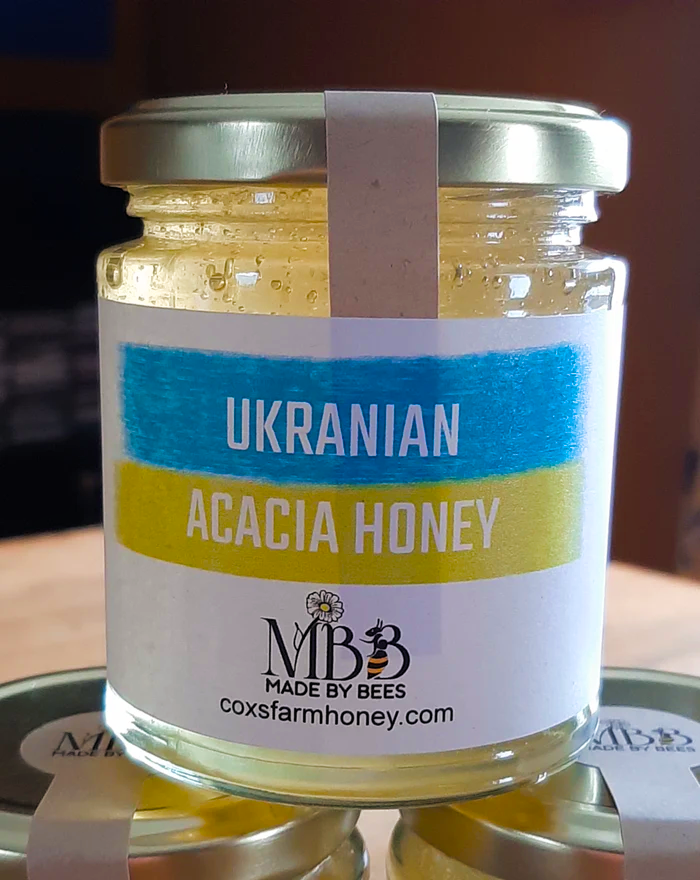
Part of our Honey for Humanity range - supporting aid and rebuilding efforts in Ukraine.
Breathe in...
cleaner, calmer air with a beeswax candle made by the bees.
Naturally clean, subtly sweet, and free from synthetic additives, beeswax candles do more than create a warm glow. As they burn, they release negative ions that help neutralise airborne pollutants, reducing dust, odours, and allergens. The result is cleaner air, a calmer atmosphere, and a gentle honeyed scent straight from the hive.
Light a beeswax candle and experience a purer way to relax, unwind, and breathe easier.
Natural beeswax products.
Handcrafted in the UK
Veteran owned business.
Sustainable, bee-centric, eco friendly products .
kind to the bees, your pocket and the environment.
SCENT FROM NATURE
Fill your home with the delicate, natural scent of honey from a pure beeswax candle. As it burns, beeswax releases negative ions that help reduce airborne particles, gently supporting cleaner air.
Free from synthetic additives, beeswax candles offer a naturally comforting alternative that many people find easier to live with, especially those sensitive to strong fragrances.
We continue to fund the planting of one tree with every item sold. Now, to help us plant even more trees, we’re excited to introduce our VIP Members Area.
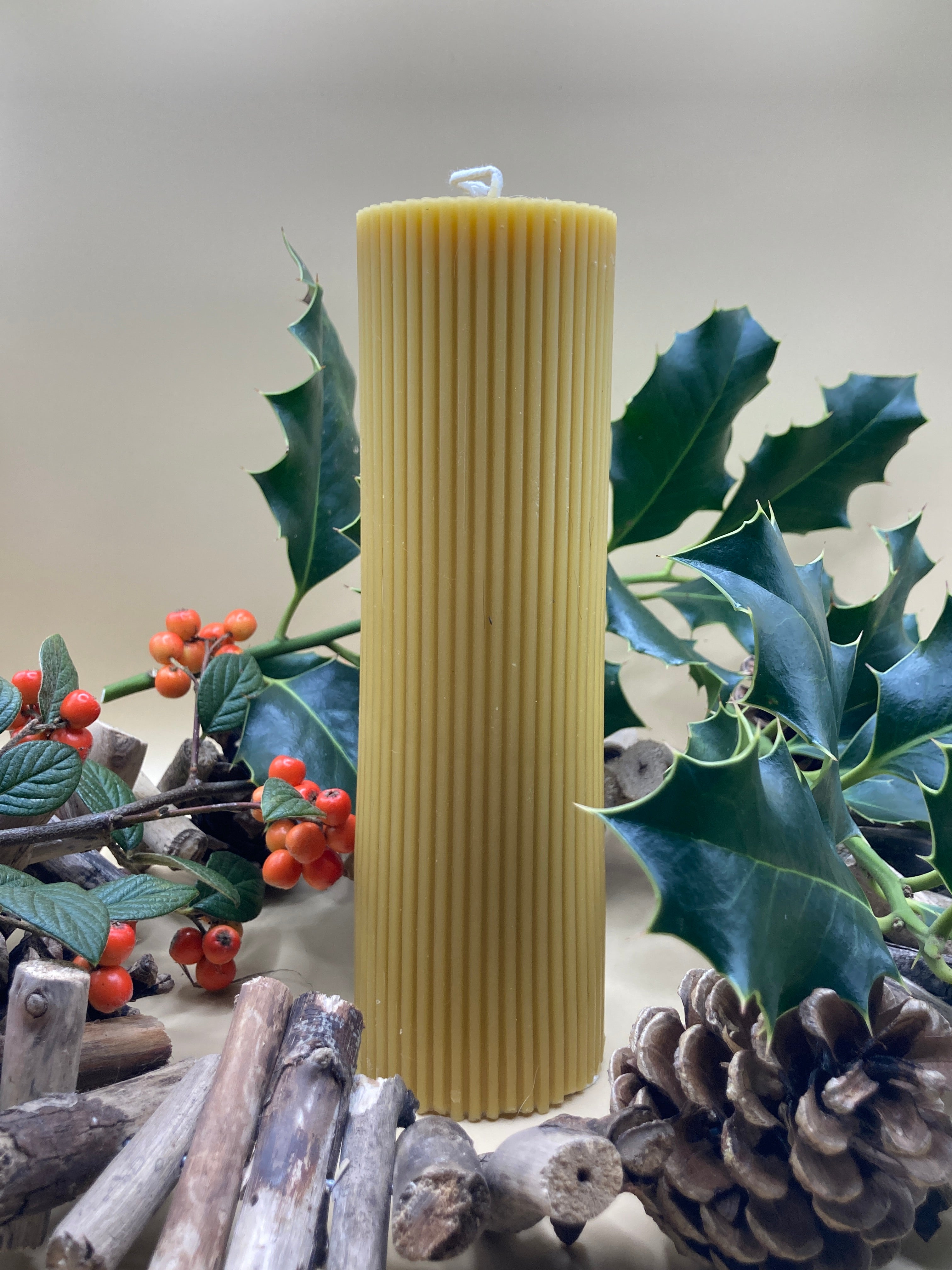
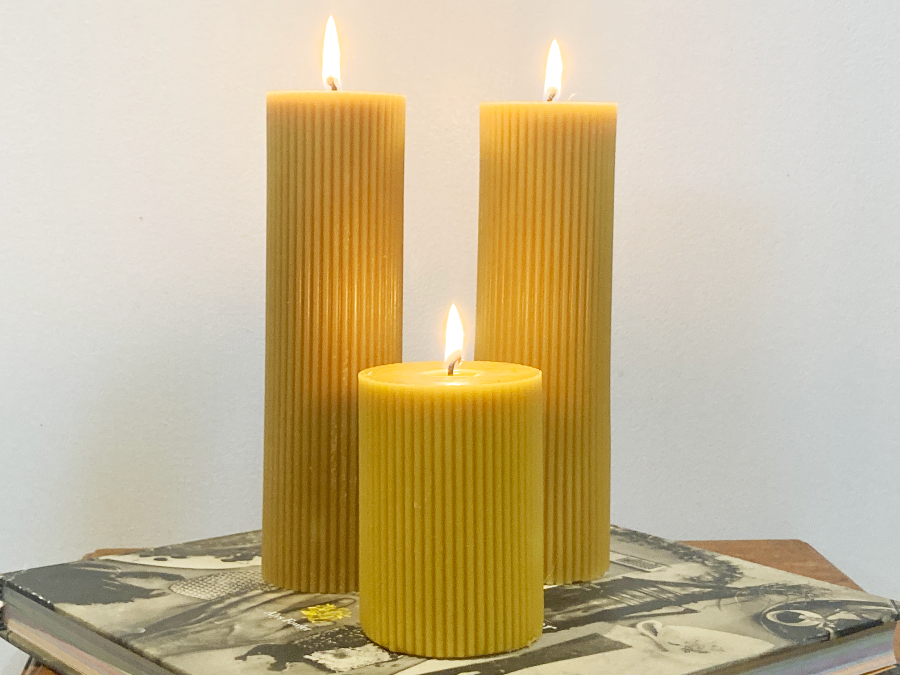
Pure beeswax
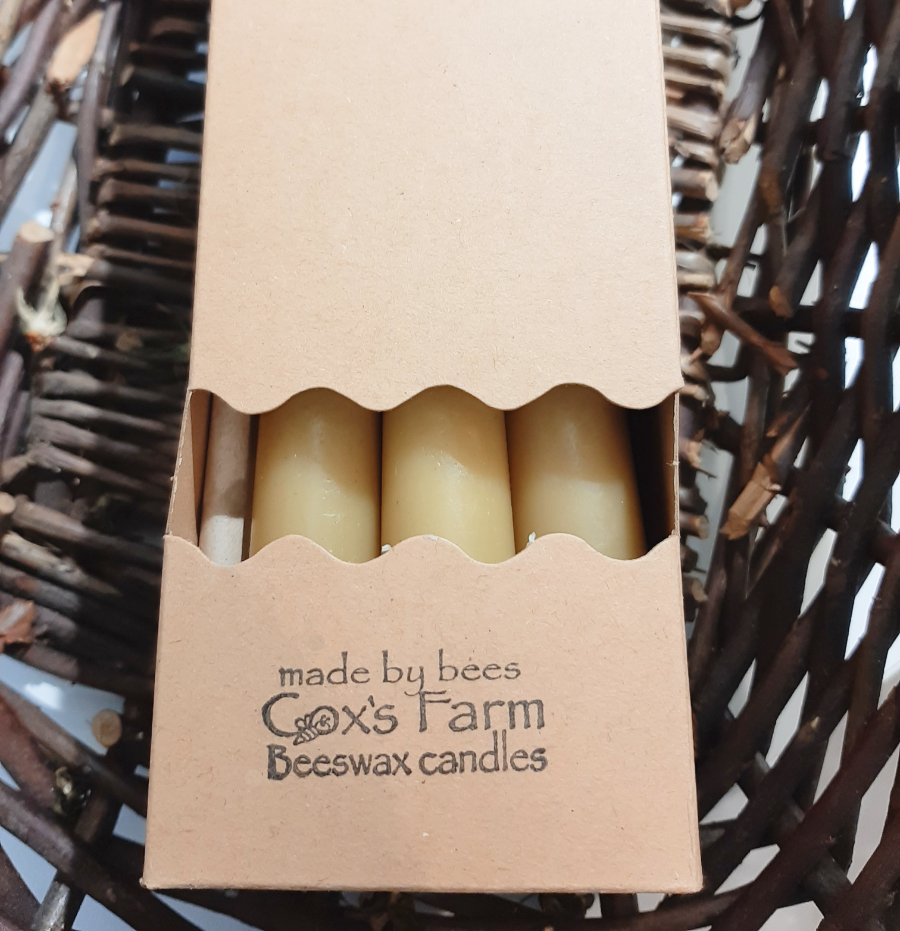
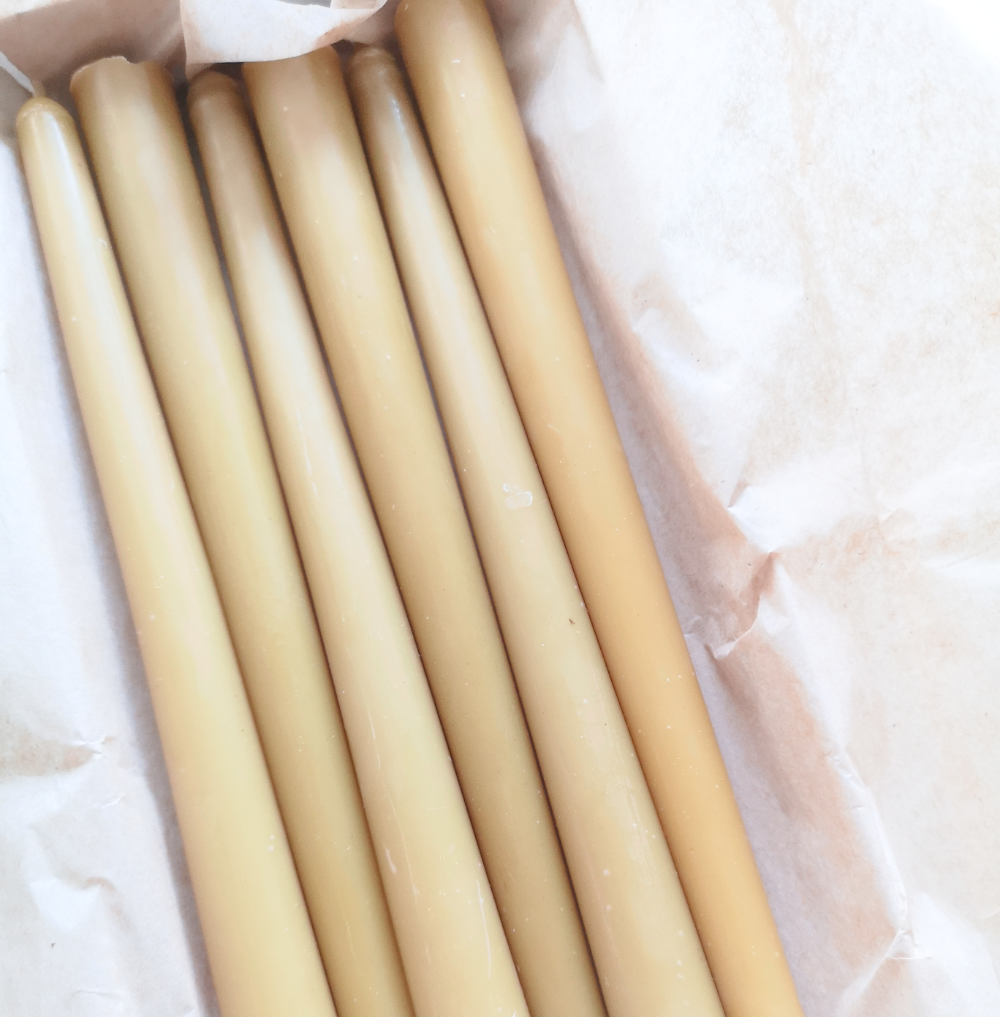
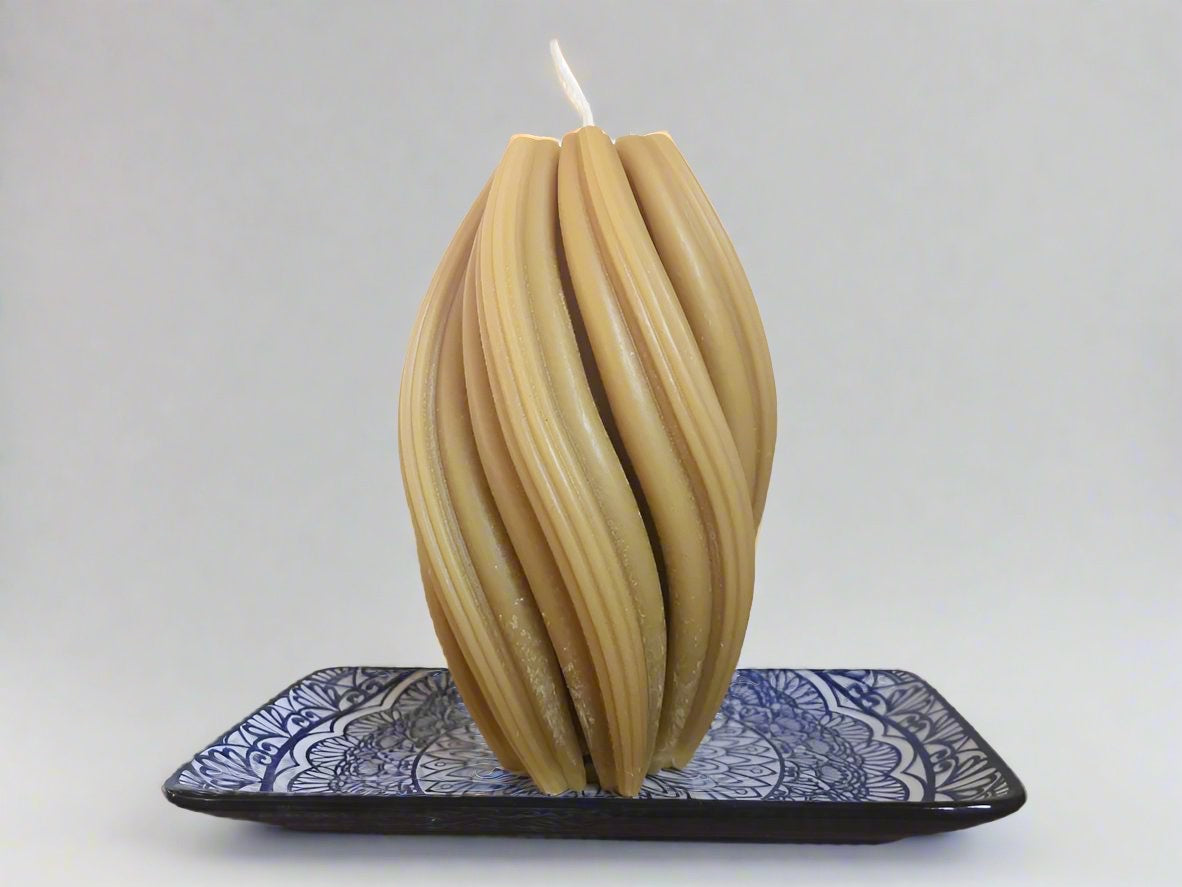
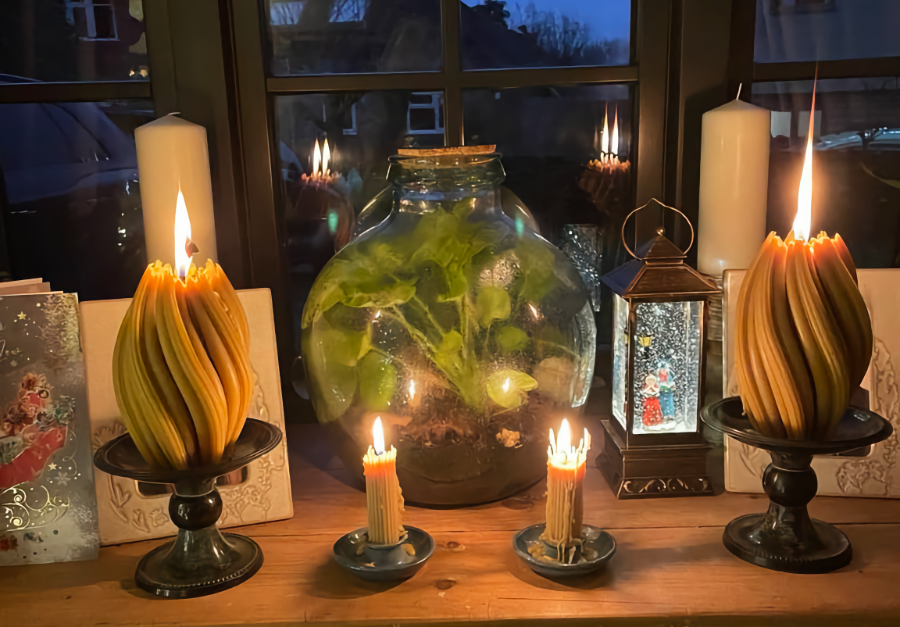
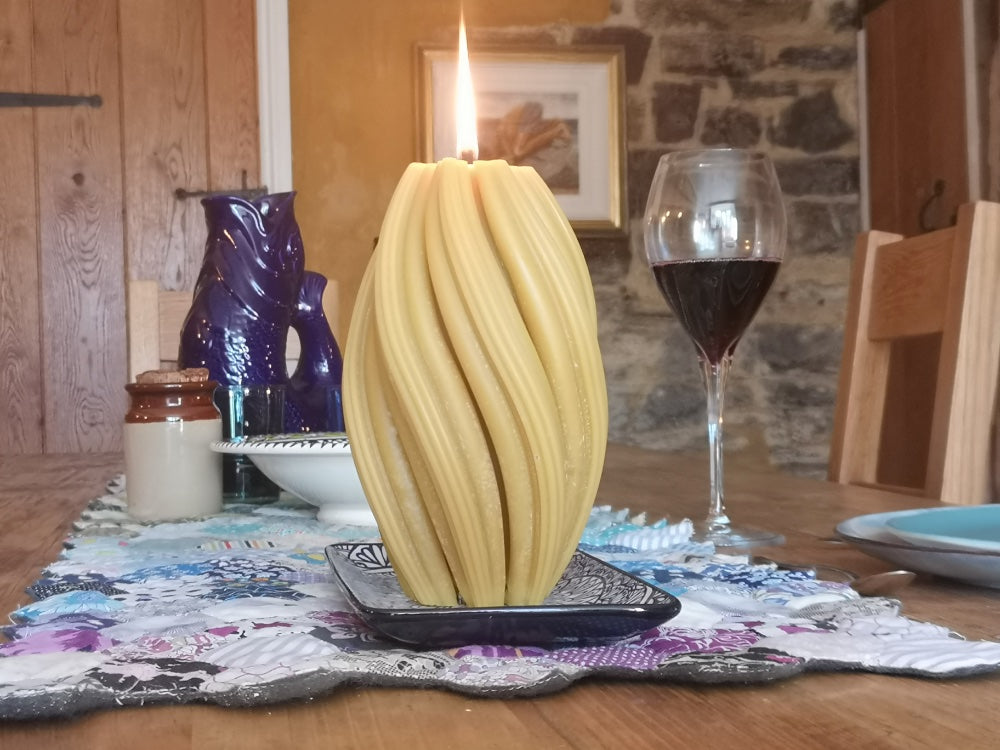
Beeswax candles - made in Somerset
Add a touch of sophistication to your table setting with our range of handmade in Somerset, pure beeswax candles, that not only look and smell great, they actually purify the air around them and aid relaxation.


Passionate about bees?
The single most effective change you can make right now?
Choose nature not chemicals!
made by bees - Cox’s Farm Honey Co. Ltd. is a veteran owned business with a focus on sustainable, bee-centric, eco friendly products that are both kind to your pocket and the environment.
We are passionate about pollinators and have made it our mission to raise awareness about their plight. Wild pollinators are battling against a complex attack on three fronts:
- Lack of safe nutrition, UK wildflower meadows have decreased by 97% since 1930, what forage is available is invariably tainted by traffic fumes and chemical drift.
- Lack of habitat due to intensive farming practices, loss of hedgerows and the ever expanding tarmac surface in both rural and urban areas.
- The UK’s over dependence on chemical input in agriculture with chemicals that can kill up to 1.25 billion bees with just a teaspoon, that’s four lorry loads of dead bees. Spot on pet treatments containing imidicloprid among other chemicals are also damaging the environment.
All of the above weaken the immune system, making the pollinators susceptible to disease that would ordinarily be fought off.
While it might seem impossible to make a difference as an individual, it is very much the right place to begin. One in eight British households has no garden, it is therefore imperative that those with gardens avoid chemical use